Mosquetones y conectores
Mosquetones y conectores son los eslabones críticos en cada sistema de protección contra caídas, acceso mediante cuerdas y aparejos, uniendo arneses, eslingas, anclajes y herrajes en una cadena confiable.
Disponemos de conectores de FallTech, Kong, Rock Exotica y PMI, muchos de ellos certificados según los estándares ANSI y NFPA, en una variedad de tipos de puertas y materiales para adaptarse a la tarea:
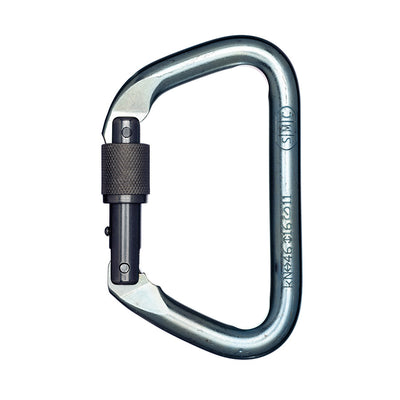
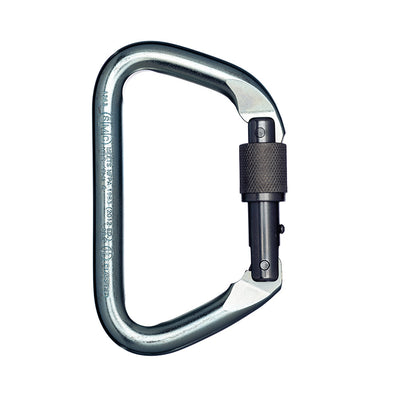
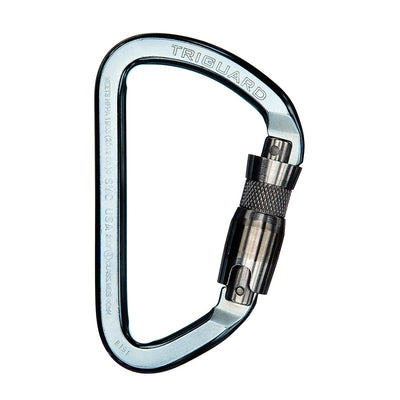
- Mosquetones de bloqueo con cierre de rosca y cierre de triple acción
- Modelos de acero y aluminio ligero.
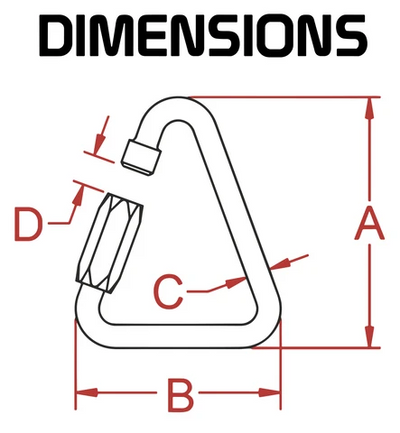
- Enlaces rápidos y enlaces de tornillo
- Conectores para construcción, escalada de torres, rescate y aparejos de entretenimiento.
Elegir el tipo de puerta correcto y la clasificación de resistencia es importante cuando la vida depende de la conexión. Explore los conectores a continuación y luego explore los relacionados. ascendentes y descendentes, poleas, y arneses para construir un sistema completo en altura.
227 products
Mosquetones y conectores – Product list





































How to Choose a Safety Carabiner
Choosing a safety carabiner starts with three questions: what the connector will be used for, which standard your work requires, and how it needs to lock. A connector on a fall arrest lanyard, a carabiner in a rescue haul system and a quick link on a rope access anchor all have different requirements. Once you know the application, narrow down by gate type, material and shape.
Locking Carabiners: Screwgate, Auto-Locking and Triple-Action
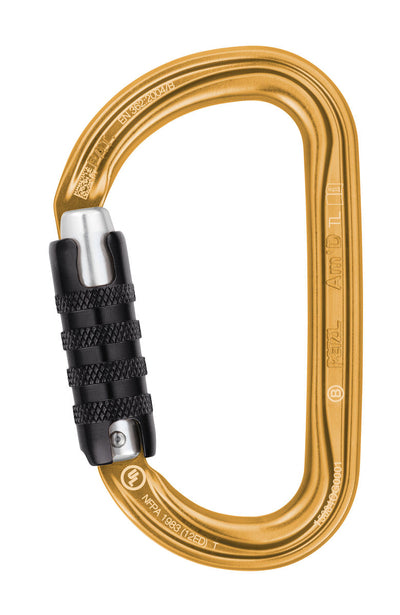
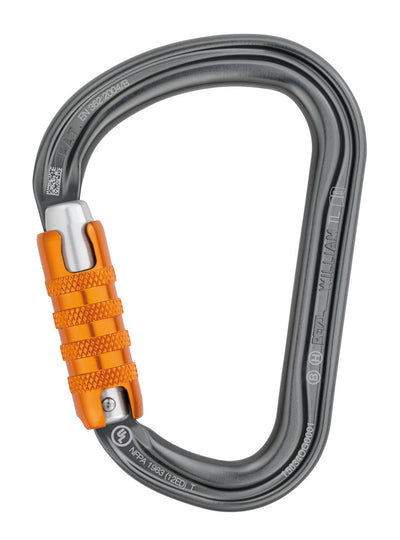
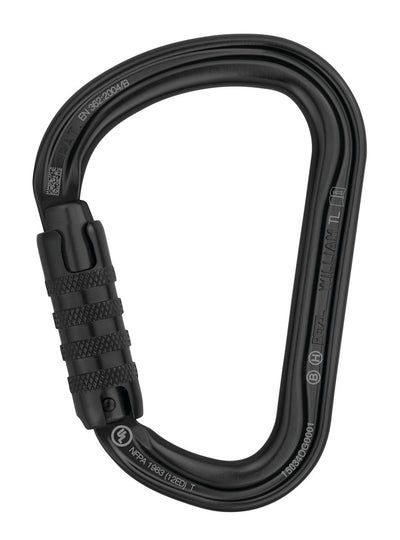
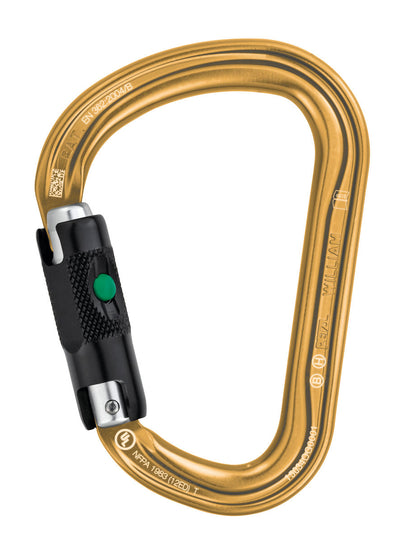
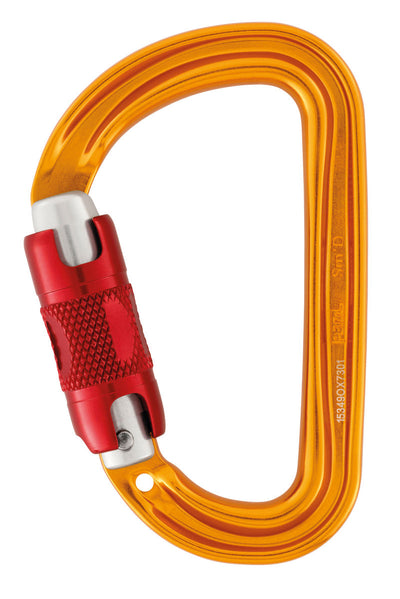
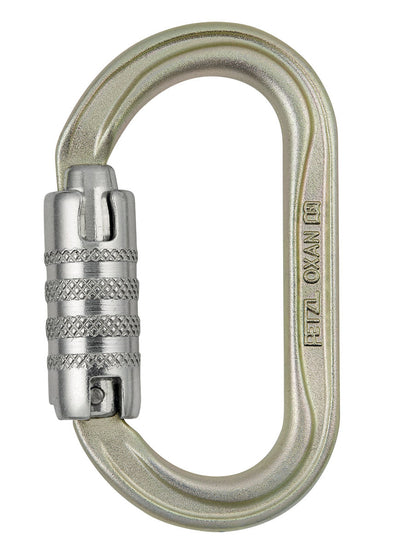
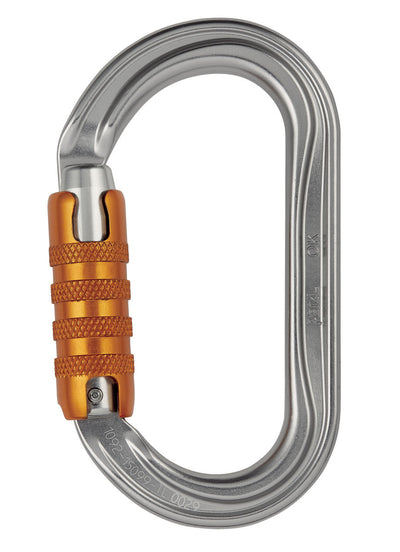
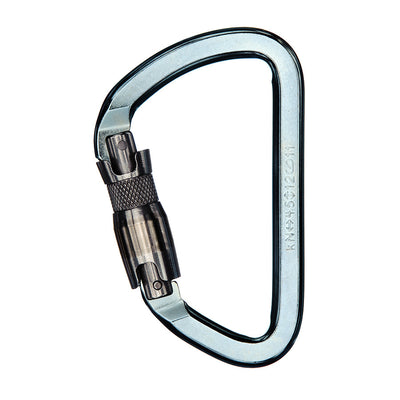
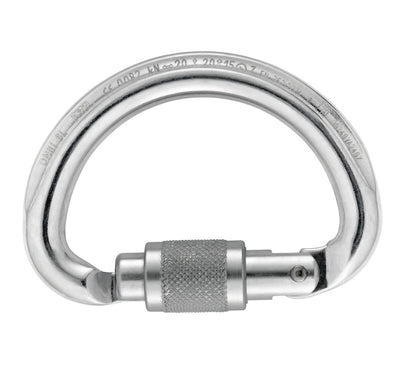
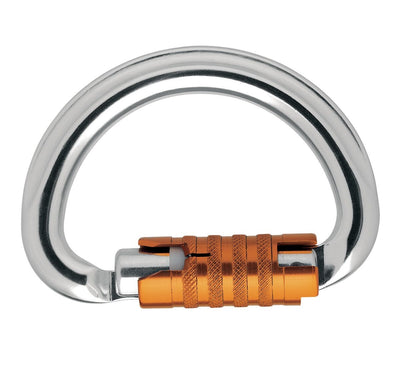
For life safety applications, always use a locking carabiner. Screwgate carabiners lock with a threaded sleeve and are simple and reliable, but they depend on the user to close them every time. Auto-locking carabiners, including twist-lock and triple-action models, lock automatically when the gate closes, removing the risk of forgetting. Triple-action gates require three separate movements to open, offering the most protection against accidental opening in fall protection and rope access.
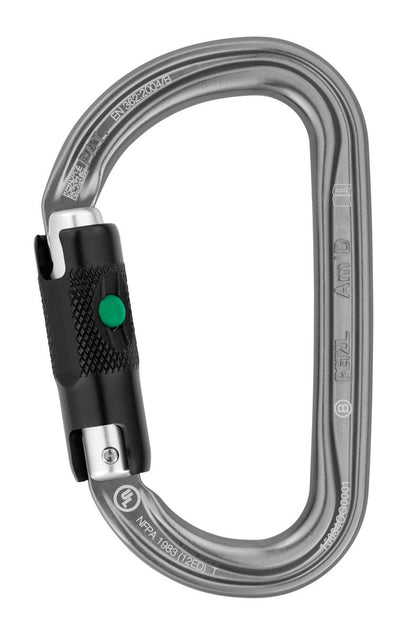
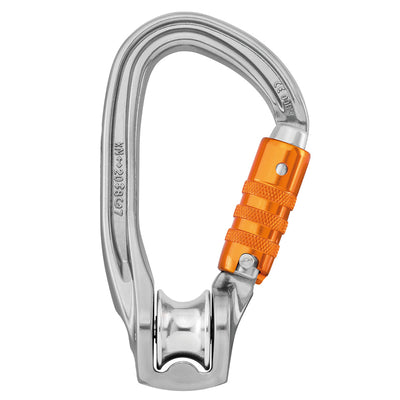
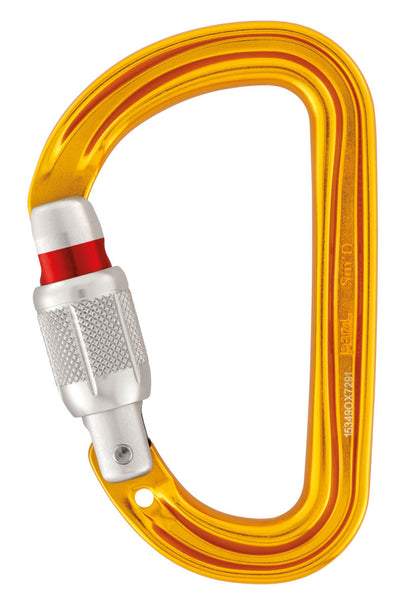
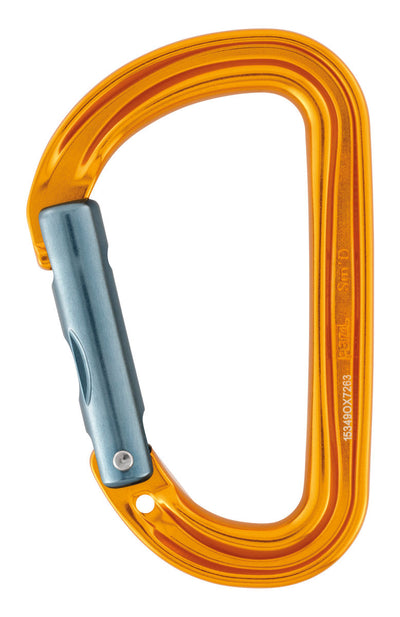
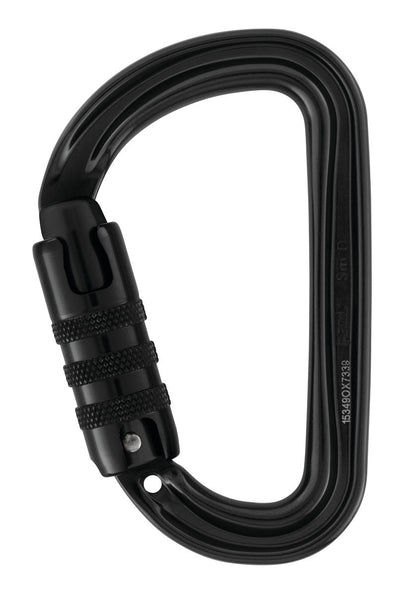
Models like the Petzl Am'D are available in several locking systems, while connectors such as the Kong Frog close automatically for fast, repeated clipping.
Aluminum Carabiners vs Steel Carabiners
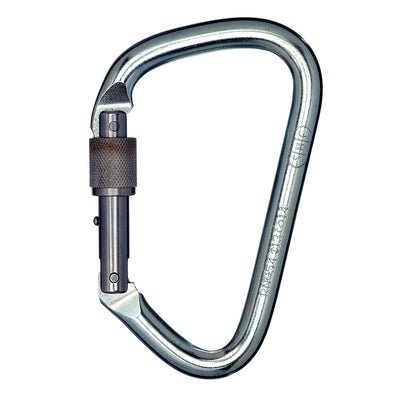
Aluminum carabiners are lightweight, which makes them the standard choice for rope access, rescue and climbing kits where every piece of equipment is carried. Steel carabiners are heavier but stronger and more resistant to wear, making them a better fit for anchors, rigging and construction sites where connectors face abrasion and heavy use. Stainless steel options like the CMC Stainless Steel Carabiner add corrosion resistance for marine, wet and outdoor environments.
Carabiner Shapes: Oval, D and HMS
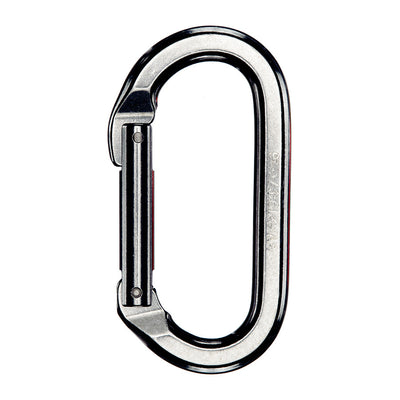
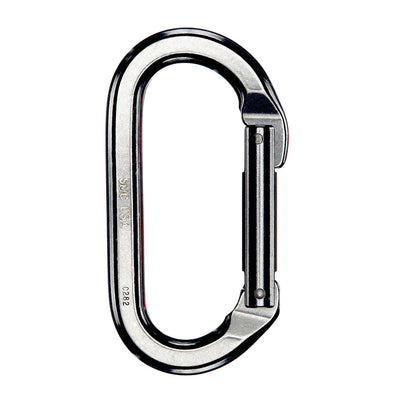
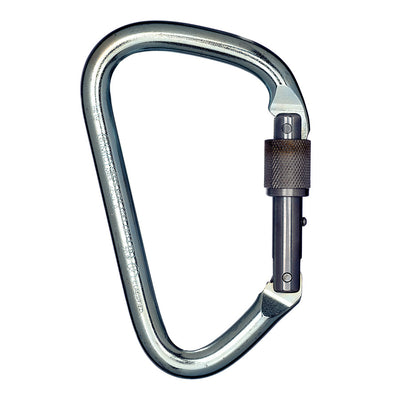
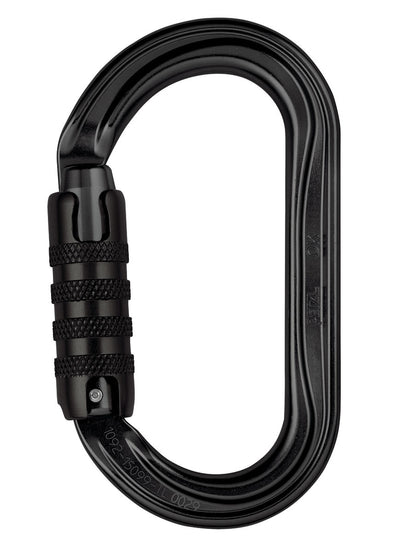
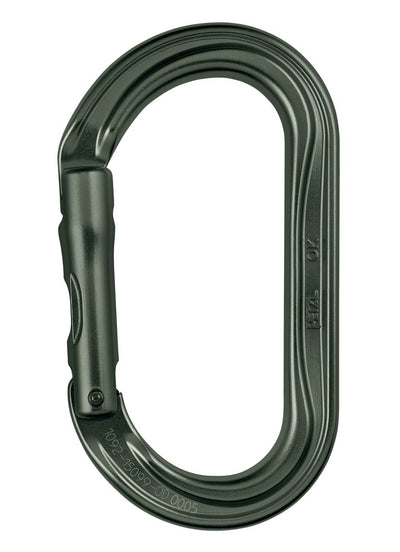
Oval carabiners are symmetrical, keeping loads centered and working well with pulleys and rope devices. D and offset D carabiners direct the load toward the spine, the strongest part of the carabiner, giving them higher strength ratings for their size. HMS or pear shaped carabiners have a wide opening that suits belay hitches and multiple connections at a single point.
Quick Links, Snap Hooks and Large Opening Connectors
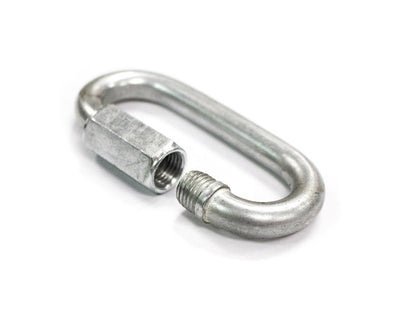
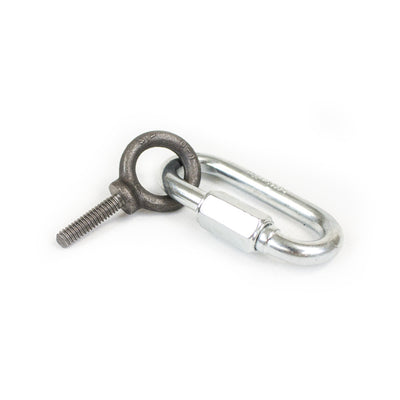
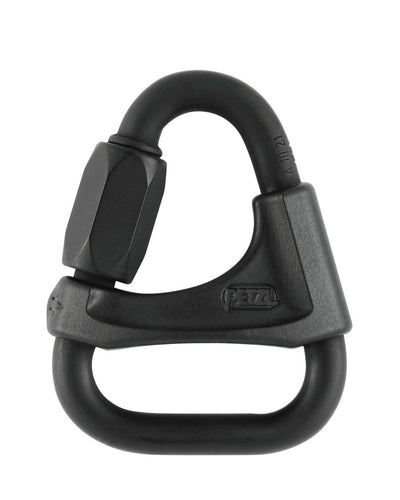
Quick links, such as the Kong Oval Quick Link, close with a threaded sleeve tightened by a wrench and are used for semi-permanent connections in anchors and rigging. Snap hooks and rebar hooks are common on lanyards and fall arrest systems, allowing fast connection to structures and anchor points. Large opening connectors like the Petzl MGO are designed to clip around larger structural elements where a standard carabiner will not fit.
Industrial, Rigging and Utility Connectors
Industrial carabiners and rigging connectors are built for daily use on construction sites, towers, stages and industrial facilities, where steel connectors and high gate strength are often required. For electrical and utility work, the range includes arc flash rated lanyards and self-retracting lifelines with dielectric snap hooks, designed for linemen and crews working near energized equipment.
Self-Retracting Lifelines, Lanyards and Tool Tethers with Connectors
This collection also includes FallTech self-retracting lifelines (SRLs), energy absorbing lanyards and tool tethers supplied with carabiners, snap hooks or rebar hooks already attached. SRLs and lanyards connect a worker's harness to an anchor point, with each connector matched to the anchorage and the harness D-ring. Tool tethers use smaller aluminum or steel carabiners as a tool attachment point at height, helping prevent dropped objects. Always check that the rated capacity of a tool tether matches the weight of the tool you are attaching.
Carabiner Standards and Strength Ratings
In the US, connectors used in fall arrest systems are covered by ANSI Z359.12, while rescue equipment is typically rated to NFPA 1983. Many connectors also carry the European EN 362 certification. Every certified carabiner is marked on the spine with its strength ratings in kilonewtons (kN): major axis (gate closed), minor axis and gate open. Always check that the ratings and certifications match the requirements of your application and employer.
Using Carabiners Safely: Avoid Cross Loading
Load carabiners along the major axis, with the gate closed and locked. Cross loading, gate loading and three-way loading can drastically reduce a carabiner's strength, so position connectors so the load always runs along the spine. Inspect connectors before each use for cracks, sharp edges, corrosion and gate function, and remove from service any carabiner that has been damaged, deformed or exposed to a significant fall.
Carabiners for personal protective equipment are designed for fall protection, rope access and rescue, not for overhead lifting. For lifting loads, use rated rigging hardware such as shackles.
Build a Complete Work at Height System
Connectors are only one part of the system. Pair them with harnesses, lanyards, ascenders and descenders and pulleys, or explore our full rope access and fall protection ranges. Browse connectors by brand from Petzl, Kong, Rock Exotica and CMC. As a carabiner supplier for crews and businesses, we can help with kits and larger orders: request a quote.